
Is Solar the Right Choice for Your Property?
Making the decision to invest in solar for your home is significant, and it’s entirely natural to question whether it’s the right choice for your specific circumstances. Whilst solar technology offers compelling benefits for many homeowners, it’s not a one-size-fits-all solution. Various factors influence whether solar panels will deliver the performance and returns you’re expecting, from the physical characteristics of your property to your energy consumption patterns and financial considerations.

Why you can trust our content
We understand that the solar industry can be full of misinformation. That’s why all our guidance is based solely on reliable, verified sources, including:


At a glance
This guide will help you evaluate the key criteria that determine solar PV suitability, providing you with the information needed to make a confident decision about whether solar is right for your Wickford home or property elsewhere in Essex.
Assessing Your Property’s Physical Suitability
The physical characteristics of your property play a crucial role in determining solar PV performance. Roof orientation is perhaps the most significant factor – south-facing roofs receive the most consistent sunlight throughout the day in the UK, making them ideal for solar installations. However, east and west-facing roofs can also work well, particularly if you have high morning or evening energy consumption that aligns with generation patterns. North-facing roofs are generally less suitable as they receive limited direct sunlight. Your roof’s pitch angle affects efficiency too, with slopes between 30-40 degrees considered optimal, though modern solar systems can accommodate various angles. The structural condition of your roof matters as well – it needs to be sound enough to support the panels for 25+ years, so properties requiring roof repairs should address these before solar installation. If you’re uncertain about your property’s suitability, you can request a bespoke quote that includes a professional assessment of your roof and site conditions.
Great! Now select the type of property
Detached House
Semi Detached House
Terraced House
Flat / Apartment
Bungalow
It just takes 60 Seconds
And then you can book a free consultation
How Much Roof Space Do You Actually Need?
The amount of available, unshaded roof space determines the maximum system size you can install. Each solar panel typically measures around 1.7 square metres, so a standard 10-panel system (approximately 4 kW) requires about 17 square metres of clear roof space. You need to account for necessary spacing around the array and avoid shaded areas created by chimneys, dormer windows or roof valleys. Properties with complex roof layouts featuring multiple dormers or numerous chimneys may have limited suitable space, reducing potential system size. That said, even smaller systems can deliver worthwhile savings, and modern high-efficiency panels from manufacturers like Aiko, DMEGC and Jinko generate more power per panel than older technology. A solar installation specialist can assess your available space and recommend an appropriately sized system that maximises your usable roof area.
Does Shading Disqualify Your Property?
Shading is one of the most common concerns for homeowners considering solar PV, and its impact varies considerably depending on the extent and timing. Minimal shading from distant trees or neighbouring properties that only affects panels early morning or late evening has relatively little impact on overall performance. However, significant shading during peak generation hours (10am-4pm) substantially reduces system efficiency. Nearby tall trees, buildings that cast shadows across your roof or overhanging branches all create shading issues. Modern solar systems incorporate technologies like optimisers and micro-inverters that minimise the impact of partial shading, allowing unshaded panels to continue performing efficiently. Properties with heavy shading across most of the roof throughout the day may not be suitable candidates for solar PV, though strategic tree trimming can sometimes resolve the issue.
Evaluating Your Energy Consumption Patterns
Your household’s electricity consumption habits significantly influence whether solar PV makes financial sense. Families who are home during the day and use substantial electricity throughout daylight hours see the greatest immediate benefit, as they can directly consume the electricity being generated. Households where everyone is at work or school during the day typically export more electricity to the grid, reducing self-consumption rates. However, this doesn’t mean solar isn’t worthwhile for these households – adding battery storage allows you to store daytime generation for evening use, dramatically improving the financial returns. Higher overall electricity consumption means more potential for savings, making solar particularly attractive for larger families, those working from home or properties with electric heating or vehicle charging requirements
What Are Your Financial Considerations?
The financial aspect of solar PV involves both upfront investment and long-term returns. Domestic solar systems typically represent a significant initial outlay, though solar finance options make this more manageable by spreading the cost over time. The key financial question is whether the combination of reduced energy bills, Smart Export Guarantee payments and increased property value justifies the investment for your circumstances. Most systems achieve payback within 8-12 years, then continue generating savings throughout their 25+ year lifespan. For homeowners planning to stay in their property long-term, this represents excellent value. Those expecting to move within a few years may still benefit from the increased property value that solar installations provide.
Are There Property Type Restrictions?
Certain property types face additional considerations when evaluating solar PV suitability. Listed buildings and properties in conservation areas may require planning permission, which isn’t always granted. Homes with flat roofs can accommodate solar panels but may need a mounting frame to achieve the optimal tilt angle. Properties with thatched roofs present unique challenges and typically aren’t suitable for standard solar installations. Flats and apartments where you don’t own the roof space obviously face limitations, though some modern developments are incorporating communal solar systems. Leasehold properties require freeholder permission before installation. Properties with specific roof materials like slate may need specialist mounting equipment, potentially increasing installation costs.
If you’d like expert guidance on whether your specific property type is suitable, contact our team for a consultation.
Planning Your Solar Journey
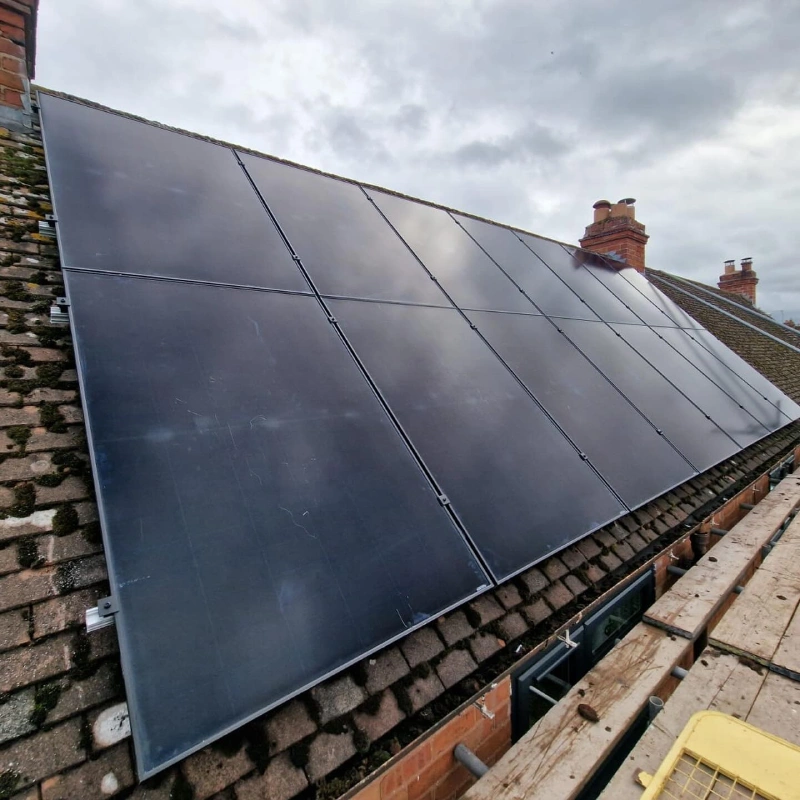
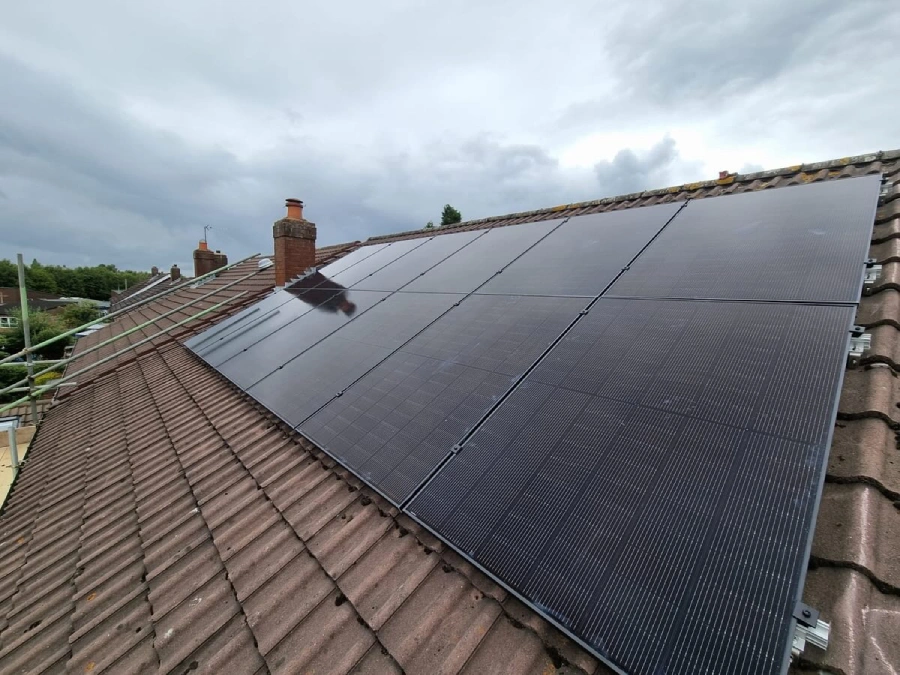
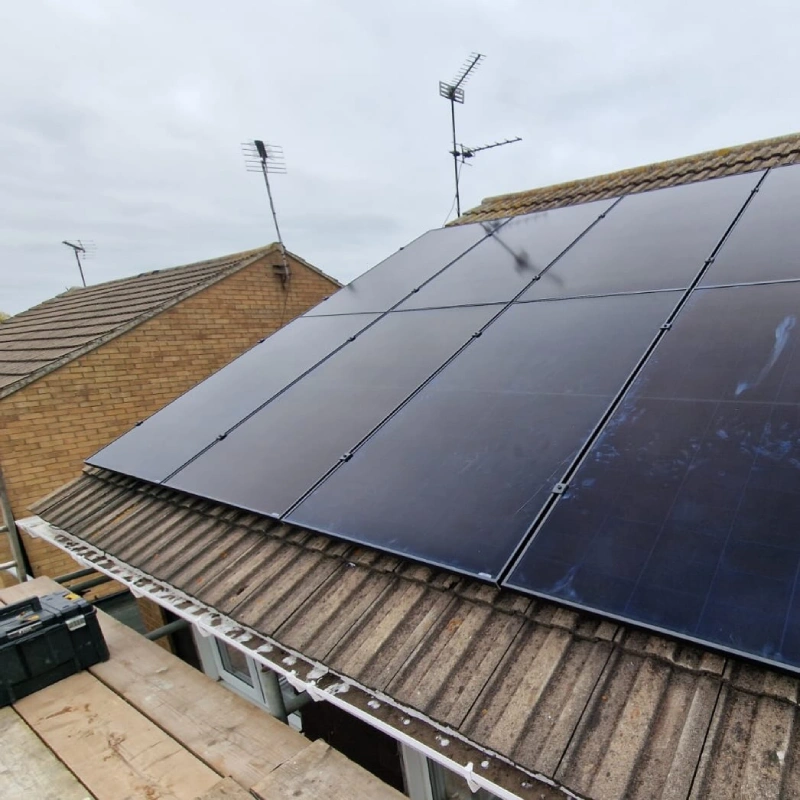
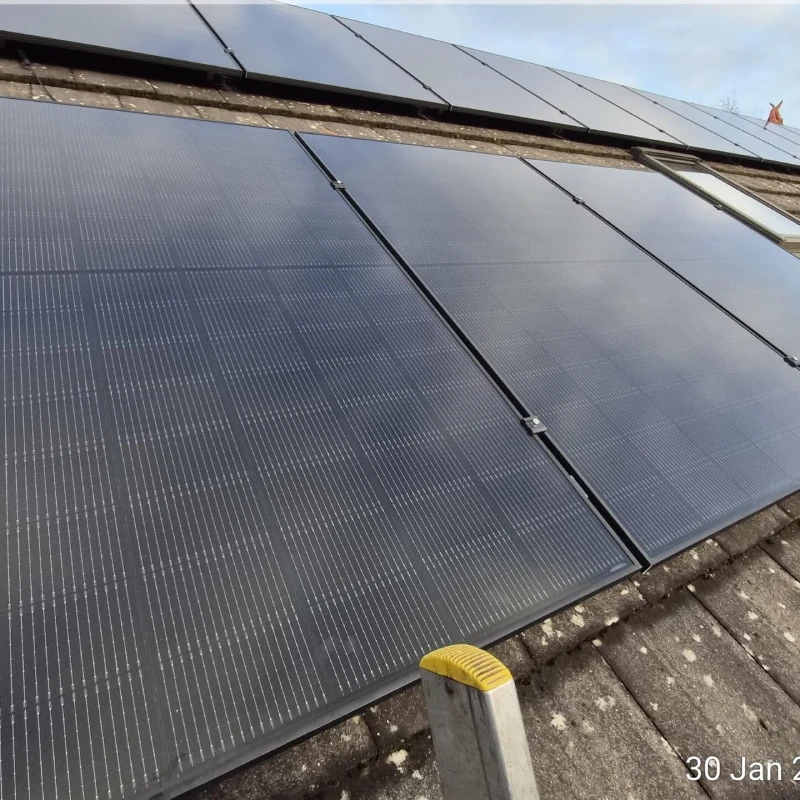
Consider a terraced house in the Wickford area with a south-west facing roof and a young family at home during the day. The property had around 18 square metres of clear roof space, minimal shading and was in good structural condition. The homeowners’ electricity bills had become a concern, particularly with both parents working from home several days per week. After a professional assessment, a solar and battery installation was recommended to capture generation and provide power during evening hours. The system was designed specifically for their energy consumption patterns, taking into account their roof characteristics and household needs. The installation proceeded smoothly, and the family immediately noticed substantial reductions in their electricity bills whilst gaining peace of mind about future energy price increases.
Final Thoughts
Determining whether solar PV is right for your property involves evaluating multiple factors: physical characteristics like roof orientation and shading, your energy consumption patterns, financial considerations and any property-specific restrictions. Most homes in Essex have suitable conditions for solar installations that deliver meaningful long-term benefits.
Solar PV provides comprehensive solar and battery installation services throughout Wickford and the wider Essex area, helping homeowners make informed decisions about renewable energy. Our experienced team can assess your property’s unique characteristics, discuss your energy needs and provide honest advice about whether solar PV is the right choice for your specific circumstances.
Related articles
Detached House
Semi Detached House
Terraced House
Flat / Apartment
Bungalow
At a glance
This guide will help you evaluate the key criteria that determine solar PV suitability, providing you with the information needed to make a confident decision about whether solar is right for your Wickford home or property elsewhere in Essex.
Assessing Your Property’s Physical Suitability
The physical characteristics of your property play a crucial role in determining solar PV performance. Roof orientation is perhaps the most significant factor – south-facing roofs receive the most consistent sunlight throughout the day in the UK, making them ideal for solar installations. However, east and west-facing roofs can also work well, particularly if you have high morning or evening energy consumption that aligns with generation patterns. North-facing roofs are generally less suitable as they receive limited direct sunlight. Your roof’s pitch angle affects efficiency too, with slopes between 30-40 degrees considered optimal, though modern solar systems can accommodate various angles. The structural condition of your roof matters as well – it needs to be sound enough to support the panels for 25+ years, so properties requiring roof repairs should address these before solar installation. If you’re uncertain about your property’s suitability, you can request a bespoke quote that includes a professional assessment of your roof and site conditions.
Great! Now select the type of property
Detached House
Semi Detached House
Terraced House
Flat / Apartment
Bungalow
It just takes 60 Seconds
And then you can book a free consultation
How Much Roof Space Do You Actually Need?
The amount of available, unshaded roof space determines the maximum system size you can install. Each solar panel typically measures around 1.7 square metres, so a standard 10-panel system (approximately 4 kW) requires about 17 square metres of clear roof space. You need to account for necessary spacing around the array and avoid shaded areas created by chimneys, dormer windows or roof valleys. Properties with complex roof layouts featuring multiple dormers or numerous chimneys may have limited suitable space, reducing potential system size. That said, even smaller systems can deliver worthwhile savings, and modern high-efficiency panels from manufacturers like Aiko, DMEGC and Jinko generate more power per panel than older technology. A solar installation specialist can assess your available space and recommend an appropriately sized system that maximises your usable roof area.
Does Shading Disqualify Your Property?
Shading is one of the most common concerns for homeowners considering solar PV, and its impact varies considerably depending on the extent and timing. Minimal shading from distant trees or neighbouring properties that only affects panels early morning or late evening has relatively little impact on overall performance. However, significant shading during peak generation hours (10am-4pm) substantially reduces system efficiency. Nearby tall trees, buildings that cast shadows across your roof or overhanging branches all create shading issues. Modern solar systems incorporate technologies like optimisers and micro-inverters that minimise the impact of partial shading, allowing unshaded panels to continue performing efficiently. Properties with heavy shading across most of the roof throughout the day may not be suitable candidates for solar PV, though strategic tree trimming can sometimes resolve the issue.
Evaluating Your Energy Consumption Patterns
Your household’s electricity consumption habits significantly influence whether solar PV makes financial sense. Families who are home during the day and use substantial electricity throughout daylight hours see the greatest immediate benefit, as they can directly consume the electricity being generated. Households where everyone is at work or school during the day typically export more electricity to the grid, reducing self-consumption rates. However, this doesn’t mean solar isn’t worthwhile for these households – adding battery storage allows you to store daytime generation for evening use, dramatically improving the financial returns. Higher overall electricity consumption means more potential for savings, making solar particularly attractive for larger families, those working from home or properties with electric heating or vehicle charging requirements
What Are Your Financial Considerations?
The financial aspect of solar PV involves both upfront investment and long-term returns. Domestic solar systems typically represent a significant initial outlay, though solar finance options make this more manageable by spreading the cost over time. The key financial question is whether the combination of reduced energy bills, Smart Export Guarantee payments and increased property value justifies the investment for your circumstances. Most systems achieve payback within 8-12 years, then continue generating savings throughout their 25+ year lifespan. For homeowners planning to stay in their property long-term, this represents excellent value. Those expecting to move within a few years may still benefit from the increased property value that solar installations provide.
Are There Property Type Restrictions?
Certain property types face additional considerations when evaluating solar PV suitability. Listed buildings and properties in conservation areas may require planning permission, which isn’t always granted. Homes with flat roofs can accommodate solar panels but may need a mounting frame to achieve the optimal tilt angle. Properties with thatched roofs present unique challenges and typically aren’t suitable for standard solar installations. Flats and apartments where you don’t own the roof space obviously face limitations, though some modern developments are incorporating communal solar systems. Leasehold properties require freeholder permission before installation. Properties with specific roof materials like slate may need specialist mounting equipment, potentially increasing installation costs.
If you’d like expert guidance on whether your specific property type is suitable, contact our team for a consultation.
Planning Your Solar Journey
Consider a terraced house in the Wickford area with a south-west facing roof and a young family at home during the day. The property had around 18 square metres of clear roof space, minimal shading and was in good structural condition. The homeowners’ electricity bills had become a concern, particularly with both parents working from home several days per week. After a professional assessment, a solar and battery installation was recommended to capture generation and provide power during evening hours. The system was designed specifically for their energy consumption patterns, taking into account their roof characteristics and household needs. The installation proceeded smoothly, and the family immediately noticed substantial reductions in their electricity bills whilst gaining peace of mind about future energy price increases.
Final Thoughts
Determining whether solar PV is right for your property involves evaluating multiple factors: physical characteristics like roof orientation and shading, your energy consumption patterns, financial considerations and any property-specific restrictions. Most homes in Essex have suitable conditions for solar installations that deliver meaningful long-term benefits.
Solar PV provides comprehensive solar and battery installation services throughout Wickford and the wider Essex area, helping homeowners make informed decisions about renewable energy. Our experienced team can assess your property’s unique characteristics, discuss your energy needs and provide honest advice about whether solar PV is the right choice for your specific circumstances.