
Common Misconceptions About Solar
Solar PV technology has advanced dramatically over the past decade, yet many outdated myths and misconceptions continue to influence homeowners’ perceptions about whether solar panels are right for their property.

Why you can trust our content
We understand that the solar industry can be full of misinformation. That’s why all our guidance is based solely on reliable, verified sources, including:

At a glance
These misunderstandings can prevent people from benefiting from a technology that’s now more efficient, affordable and accessible than ever before. From concerns about UK weather to worries about maintenance and costs, it’s time to separate fact from fiction. In this comprehensive guide, we’ll address the most common misconceptions about solar PV systems and provide the accurate information you need to make an informed decision about solar energy for your Southend-on-Sea home or property elsewhere in Essex.
Misconception: Solar Panels Don’t Work in Essex
Perhaps the most persistent myth is that solar panels are ineffective in the UK due to our famously variable weather. This couldn’t be further from the truth. Solar panels generate electricity from daylight, not direct sunshine, which means they produce power even on cloudy or overcast days. Whilst output is higher during bright sunny conditions, modern solar technology is specifically designed to capture diffused light that penetrates cloud cover. Germany, which has a similar climate to the UK, has one of the highest solar installation rates globally, demonstrating the technology’s effectiveness in northern European conditions. The UK receives more than sufficient solar irradiation to make solar PV financially viable, particularly in southern and eastern regions like Essex where sunlight hours are relatively good compared to other parts of the country.
If you’re concerned about solar performance in your area, speak to a local solar installation company that can provide realistic generation estimates based on regional weather patterns.
Great! Now select the type of property
Detached House
Semi Detached House
Terraced House
Flat / Apartment
Bungalow
It just takes 60 Seconds
And then you can book a free consultation
Do Solar Panels Really Require Constant Maintenance?
Another common misconception is that solar panels need regular maintenance and frequent repairs, creating ongoing costs that undermine their financial benefits. In reality, solar PV systems are remarkably low-maintenance. Panels have no moving parts, which means there’s very little that can go wrong mechanically. Rain naturally cleans panels in most cases, washing away dust and light debris.
For properties in areas with heavy pollution or under trees that drop leaves, occasional cleaning may help maintain optimal performance, but this is straightforward and can be done by homeowners safely from the ground using appropriate equipment. An annual visual inspection to check for obvious damage or debris accumulation is generally sufficient. The inverter, which converts DC electricity to AC power, may need replacing once during the system’s lifespan, but this is the only significant maintenance consideration for most installations.
Are Solar Panels Too Expensive for Average Homeowners?
The perception that solar PV is prohibitively expensive stems from outdated information about early solar technology costs. Solar panel prices have dropped dramatically over the past decade, making systems far more accessible to average homeowners. When evaluating cost, it’s crucial to consider the long-term financial picture rather than just the initial outlay.
Solar systems typically pay for themselves through energy bill savings within 8-12 years, then continue generating free electricity for another 15+ years. Additionally, solar finance options allow homeowners to spread the cost over time, often with monthly payments lower than the energy bill savings achieved, meaning the system effectively pays for itself from day one. The combination of reduced bills, Smart Export Guarantee payments and increased property value makes solar PV a sound financial investment rather than an unaffordable luxury.
Won’t Solar Panels Damage My Roof?
Many homeowners worry that solar installation will damage their roof or create leak points that lead to problems. When installed by qualified professionals using industry-standard techniques, solar panels actually provide an element of protection to the roof area they cover, shielding it from weather exposure.
Mounting systems are designed to work with your roof’s existing structure without compromising its integrity. Installers carefully waterproof all mounting points to prevent moisture ingress. MCS-certified installers like those working with battery installer companies follow strict guidelines ensuring installations meet building regulations and don’t compromise roof warranties. The panels themselves are engineered to withstand extreme weather conditions including high winds, heavy rain and snow loading, making them far more robust than many people realise.
Is Solar Only Worthwhile With Government Grants?
Following the closure of the Feed-in Tariff scheme, some people believe solar PV is no longer financially viable without government subsidies. This misconception ignores the dramatic reduction in solar system costs and the ongoing availability of the Smart Export Guarantee. Solar installations are now economically attractive based purely on electricity bill savings, with SEG payments providing additional returns rather than being essential to viability.
The combination of lower system costs and rising energy prices has actually made solar PV more financially attractive now than during the Feed-in Tariff era for many homeowners. Battery storage technology has also improved significantly, allowing homeowners to maximise self-consumption of generated electricity and further enhance returns without relying on export payments or government schemes.
Don’t Solar Panels Stop Working After a Few Years?
There’s a misconception that solar panels rapidly degrade and become ineffective after relatively short periods. In reality, quality solar panels from manufacturers like Aiko, DMEGC and Jinko are designed for operational lifespans exceeding 25-30 years. Modern panels typically come with performance warranties guaranteeing at least 80-85% of original output after 25 years.
This means that even after a quarter century, your panels will still generate the vast majority of their original electricity output. The gradual degradation is minimal – typically around 0.5-0.8% annually – and doesn’t significantly impact the financial returns over the system’s lifetime. Many early solar installations from the 1980s and 1990s continue operating today, demonstrating the remarkable longevity of properly manufactured and installed solar technology.
If you’d like expert guidance on system longevity and warranties, contact our team for detailed information about the products we install.
Will Solar Panels Make My Home Look Unattractive?
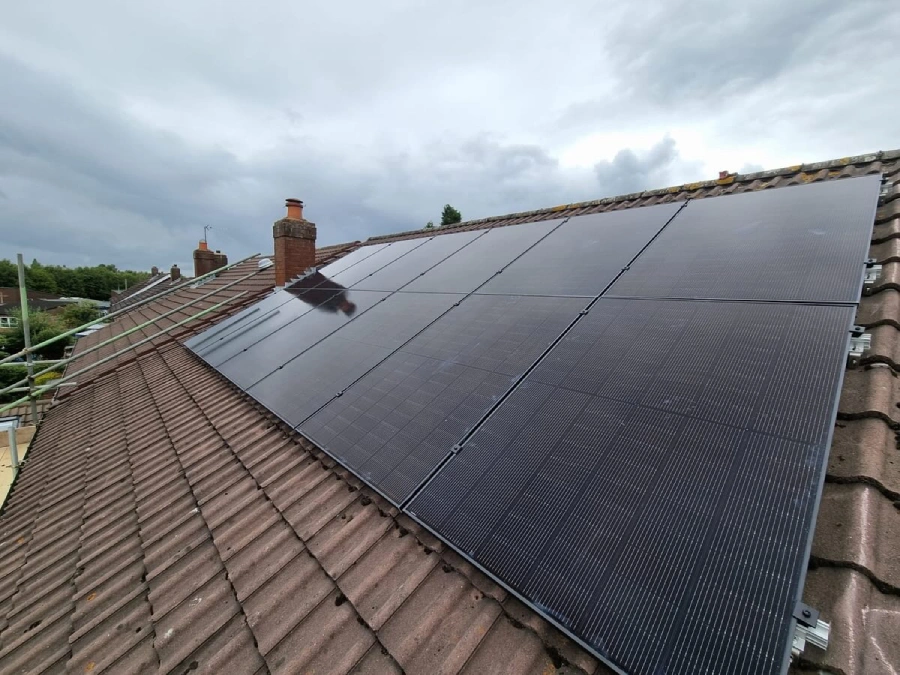
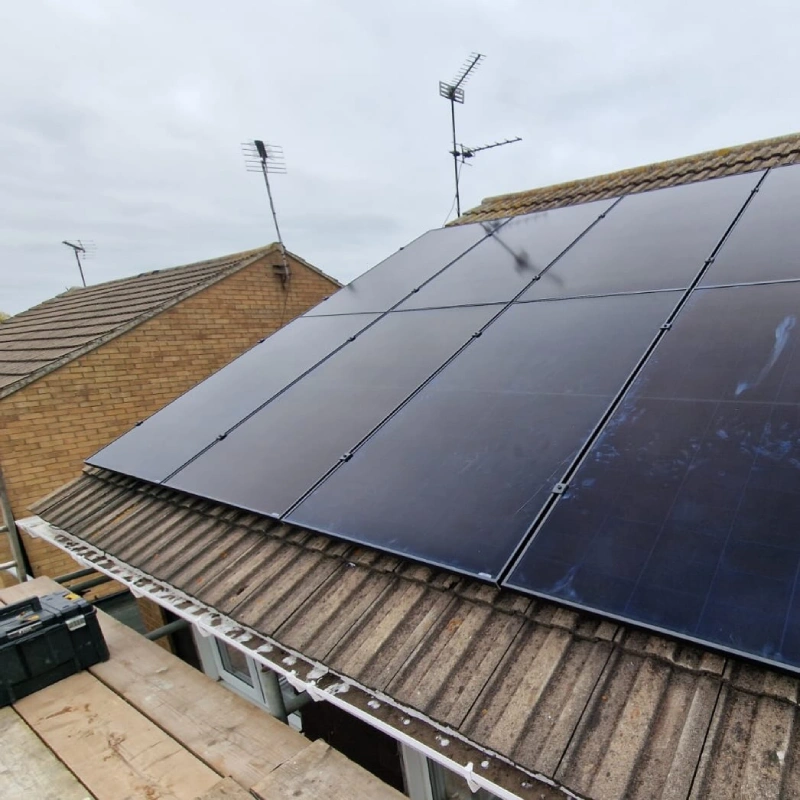
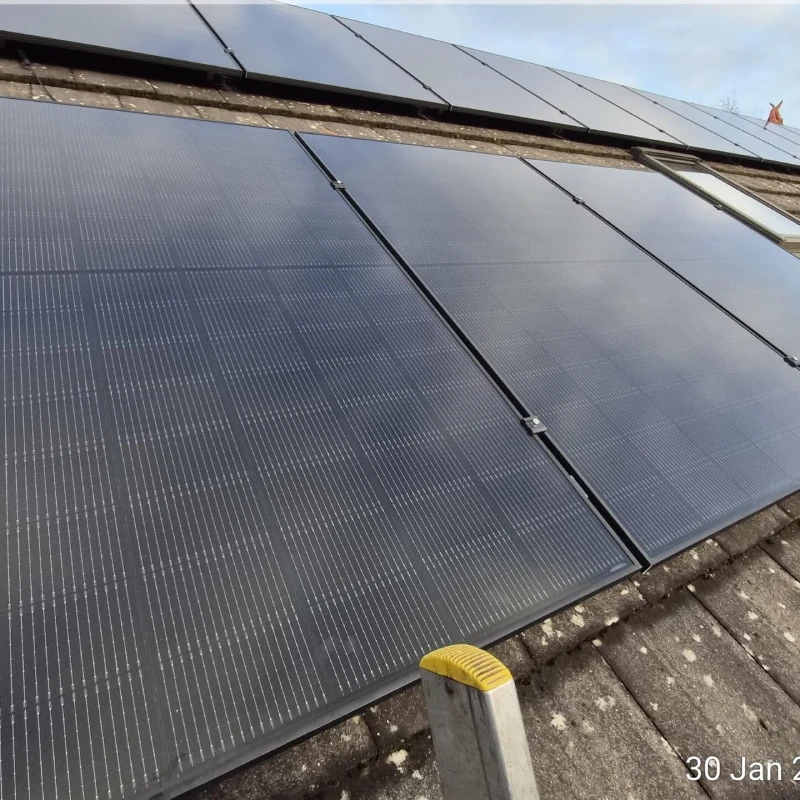
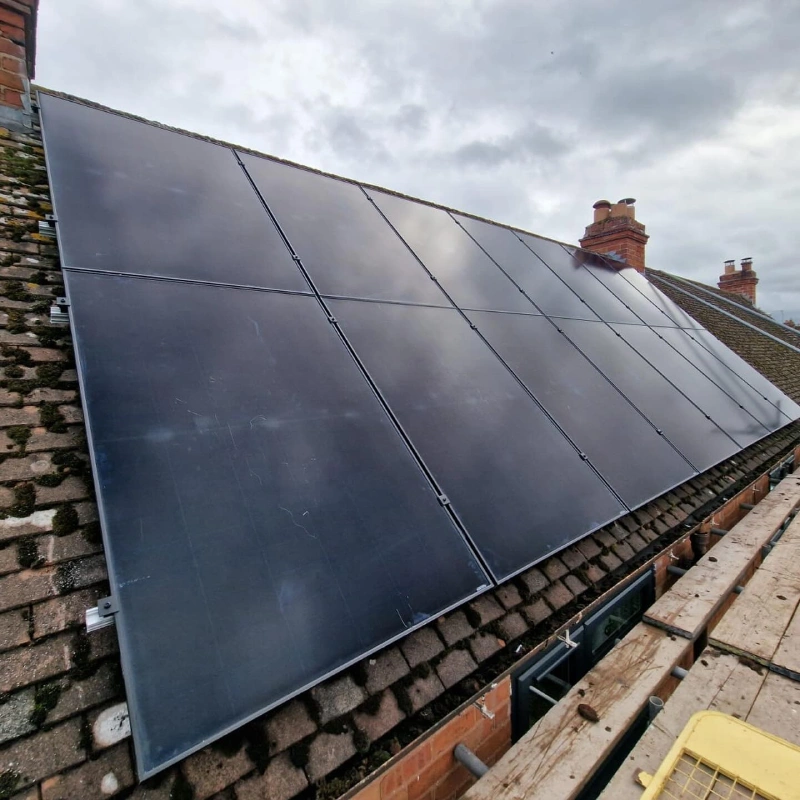
Aesthetic concerns sometimes prevent homeowners from considering solar PV, based on images of older, bulkier panel installations. Modern solar panels have a sleek, low-profile appearance that many people find enhances rather than detracts from property aesthetics. Panels integrate relatively unobtrusively with contemporary roof designs, and black-on-black panels blend particularly well with darker roof materials. Installation techniques have improved to create neat, symmetrical arrays that look intentional and professional.
Many prospective property buyers now view solar panels as a desirable feature rather than a negative, recognising the financial benefits they provide. The environmental credentials and reduced running costs solar panels represent often outweigh any minor aesthetic considerations for most homeowners.
Final Thoughts
Most misconceptions about solar PV stem from outdated information about early solar technology or misunderstandings about how modern systems work. Today’s solar panels are efficient in UK conditions, require minimal maintenance, have become financially accessible and are installed using techniques that protect rather than compromise your property. Understanding the facts rather than relying on myths enables you to make informed decisions about whether solar is right for your home.
Solar PV offers expert solar and battery installation throughout Southend-on-Sea and across Essex, providing honest, factual information to help homeowners understand what solar PV can realistically deliver. Our experienced team can address any concerns you have and provide accurate assessments of how solar technology would perform on your specific property.
Related articles
Detached House
Semi Detached House
Terraced House
Flat / Apartment
Bungalow
At a glance
These misunderstandings can prevent people from benefiting from a technology that’s now more efficient, affordable and accessible than ever before. From concerns about UK weather to worries about maintenance and costs, it’s time to separate fact from fiction. In this comprehensive guide, we’ll address the most common misconceptions about solar PV systems and provide the accurate information you need to make an informed decision about solar energy for your Southend-on-Sea home or property elsewhere in Essex.
Misconception: Solar Panels Don’t Work in Essex
Perhaps the most persistent myth is that solar panels are ineffective in the UK due to our famously variable weather. This couldn’t be further from the truth. Solar panels generate electricity from daylight, not direct sunshine, which means they produce power even on cloudy or overcast days. Whilst output is higher during bright sunny conditions, modern solar technology is specifically designed to capture diffused light that penetrates cloud cover. Germany, which has a similar climate to the UK, has one of the highest solar installation rates globally, demonstrating the technology’s effectiveness in northern European conditions. The UK receives more than sufficient solar irradiation to make solar PV financially viable, particularly in southern and eastern regions like Essex where sunlight hours are relatively good compared to other parts of the country.
If you’re concerned about solar performance in your area, speak to a local solar installation company that can provide realistic generation estimates based on regional weather patterns.
Great! Now select the type of property
Detached House
Semi Detached House
Terraced House
Flat / Apartment
Bungalow
It just takes 60 Seconds
And then you can book a free consultation
Do Solar Panels Really Require Constant Maintenance?
Another common misconception is that solar panels need regular maintenance and frequent repairs, creating ongoing costs that undermine their financial benefits. In reality, solar PV systems are remarkably low-maintenance. Panels have no moving parts, which means there’s very little that can go wrong mechanically. Rain naturally cleans panels in most cases, washing away dust and light debris.
For properties in areas with heavy pollution or under trees that drop leaves, occasional cleaning may help maintain optimal performance, but this is straightforward and can be done by homeowners safely from the ground using appropriate equipment. An annual visual inspection to check for obvious damage or debris accumulation is generally sufficient. The inverter, which converts DC electricity to AC power, may need replacing once during the system’s lifespan, but this is the only significant maintenance consideration for most installations.
Are Solar Panels Too Expensive for Average Homeowners?
The perception that solar PV is prohibitively expensive stems from outdated information about early solar technology costs. Solar panel prices have dropped dramatically over the past decade, making systems far more accessible to average homeowners. When evaluating cost, it’s crucial to consider the long-term financial picture rather than just the initial outlay.
Solar systems typically pay for themselves through energy bill savings within 8-12 years, then continue generating free electricity for another 15+ years. Additionally, solar finance options allow homeowners to spread the cost over time, often with monthly payments lower than the energy bill savings achieved, meaning the system effectively pays for itself from day one. The combination of reduced bills, Smart Export Guarantee payments and increased property value makes solar PV a sound financial investment rather than an unaffordable luxury.
Won’t Solar Panels Damage My Roof?
Many homeowners worry that solar installation will damage their roof or create leak points that lead to problems. When installed by qualified professionals using industry-standard techniques, solar panels actually provide an element of protection to the roof area they cover, shielding it from weather exposure.
Mounting systems are designed to work with your roof’s existing structure without compromising its integrity. Installers carefully waterproof all mounting points to prevent moisture ingress. MCS-certified installers like those working with battery installer companies follow strict guidelines ensuring installations meet building regulations and don’t compromise roof warranties. The panels themselves are engineered to withstand extreme weather conditions including high winds, heavy rain and snow loading, making them far more robust than many people realise.
Is Solar Only Worthwhile With Government Grants?
Following the closure of the Feed-in Tariff scheme, some people believe solar PV is no longer financially viable without government subsidies. This misconception ignores the dramatic reduction in solar system costs and the ongoing availability of the Smart Export Guarantee. Solar installations are now economically attractive based purely on electricity bill savings, with SEG payments providing additional returns rather than being essential to viability.
The combination of lower system costs and rising energy prices has actually made solar PV more financially attractive now than during the Feed-in Tariff era for many homeowners. Battery storage technology has also improved significantly, allowing homeowners to maximise self-consumption of generated electricity and further enhance returns without relying on export payments or government schemes.
Don’t Solar Panels Stop Working After a Few Years?
There’s a misconception that solar panels rapidly degrade and become ineffective after relatively short periods. In reality, quality solar panels from manufacturers like Aiko, DMEGC and Jinko are designed for operational lifespans exceeding 25-30 years. Modern panels typically come with performance warranties guaranteeing at least 80-85% of original output after 25 years.
This means that even after a quarter century, your panels will still generate the vast majority of their original electricity output. The gradual degradation is minimal – typically around 0.5-0.8% annually – and doesn’t significantly impact the financial returns over the system’s lifetime. Many early solar installations from the 1980s and 1990s continue operating today, demonstrating the remarkable longevity of properly manufactured and installed solar technology.
If you’d like expert guidance on system longevity and warranties, contact our team for detailed information about the products we install.
Will Solar Panels Make My Home Look Unattractive?
Aesthetic concerns sometimes prevent homeowners from considering solar PV, based on images of older, bulkier panel installations. Modern solar panels have a sleek, low-profile appearance that many people find enhances rather than detracts from property aesthetics. Panels integrate relatively unobtrusively with contemporary roof designs, and black-on-black panels blend particularly well with darker roof materials. Installation techniques have improved to create neat, symmetrical arrays that look intentional and professional.
Many prospective property buyers now view solar panels as a desirable feature rather than a negative, recognising the financial benefits they provide. The environmental credentials and reduced running costs solar panels represent often outweigh any minor aesthetic considerations for most homeowners.
Final Thoughts
Most misconceptions about solar PV stem from outdated information about early solar technology or misunderstandings about how modern systems work. Today’s solar panels are efficient in UK conditions, require minimal maintenance, have become financially accessible and are installed using techniques that protect rather than compromise your property. Understanding the facts rather than relying on myths enables you to make informed decisions about whether solar is right for your home.
Solar PV offers expert solar and battery installation throughout Southend-on-Sea and across Essex, providing honest, factual information to help homeowners understand what solar PV can realistically deliver. Our experienced team can address any concerns you have and provide accurate assessments of how solar technology would perform on your specific property.